Introduction to Dry-Lab Research
You don't need a pipette to do biology. Dry-lab research uses computational and analytical methods to explore biological questions — and it's how many of the most important discoveries in modern biology are made.
The 5-Step Research Process
Choose a Research Question
Start with something you genuinely want to know. Good questions in dry-lab biology are specific, answerable with publicly available data, and grounded in existing literature. Example: "Is there a correlation between BRCA1 mutation rates and breast cancer incidence across ethnic populations?"
Review the Literature
Search PubMed, Google Scholar, or Semantic Scholar to understand what's already known. Read at least 5–10 papers on your topic before designing your study. Your research should build on existing knowledge, not repeat it.
Find and Prepare Your Data
Identify public datasets relevant to your question. Sources include NCBI, UCSC Genome Browser, TCGA, KEGG, UniProt, and the CDC. Download, clean, and organize your data before any analysis.
Analyze & Interpret
Apply appropriate analytical methods — statistical tests, bioinformatics pipelines, or qualitative synthesis. Tools like RStudio, Python (Biopython, pandas), and Galaxy are beginner-friendly. Focus on what your results actually show, not what you hoped they'd show.
Communicate Your Findings
Write an abstract, build a poster or slides, and practice explaining your work clearly to both experts and non-experts. This is the core skill EBS helps you develop.
Not sure where to start? Choose a topic you're curious about — genetics, ecology, epidemiology, neuroscience — and ask: "What question about this topic could I answer using data that already exists?" Start broad, then narrow.
Common Project Types
Genomic / Bioinformatics Analysis
Analyze publicly available genomic sequences, compare species, or investigate gene expression data from the NCBI or UCSC databases.

Epidemiological Data Study
Use CDC, WHO, or NIH datasets to explore disease patterns, risk factors, or the effectiveness of public health interventions.
Systematic Literature Review
Synthesize findings across multiple published studies to answer a broader biological question. Rigorous and highly publishable.
Computational Modeling
Build a simple mathematical or agent-based model to simulate a biological process — protein folding, disease spread, population dynamics.


Reading & Citing Papers
The ability to find, read, and properly cite scientific literature is foundational to any research project.
How to Read a Scientific Paper
Don't read a paper front-to-back on your first pass. Try this proven approach:
- Read the Title and Abstract — understand the core claim
- Skip to the Figures and Tables — visualize the data
- Read the Introduction — understand context and motivation
- Read the Results — understand what they found
- Read the Discussion — understand what it means
- Skim the Methods — understand how they did it
- Note the References — follow citations for deeper reading
Citation Formats
EBS accepts APA, MLA, or Vancouver citation formats. Use a reference manager to stay organized:
Zotero (Free, recommended)
Browser-based citation manager. One-click save from PubMed or Google Scholar. Auto-generates citations.
Mendeley
Free citation manager by Elsevier. Includes PDF annotation and collaboration features.
Google Scholar
Quick "Cite" button under each result generates APA, MLA, and Chicago formats instantly.
Free Tools & Databases
Every tool listed here is free, publicly accessible, and used by professional researchers. No institutional login required for most resources.
Literature Databases
Biological Databases
Analysis Tools
Presenting Your Research
Science that isn't communicated doesn't count. Learn how to craft a poster and abstract that clearly conveys your work.
Writing an Abstract
Your abstract (150–250 words) is the first thing judges and attendees read. It must cover:
Tip: Write your abstract last. It's much easier once you know what you've actually found. Every sentence should earn its place — cut anything a reader doesn't need to understand your work.
Poster Design Principles
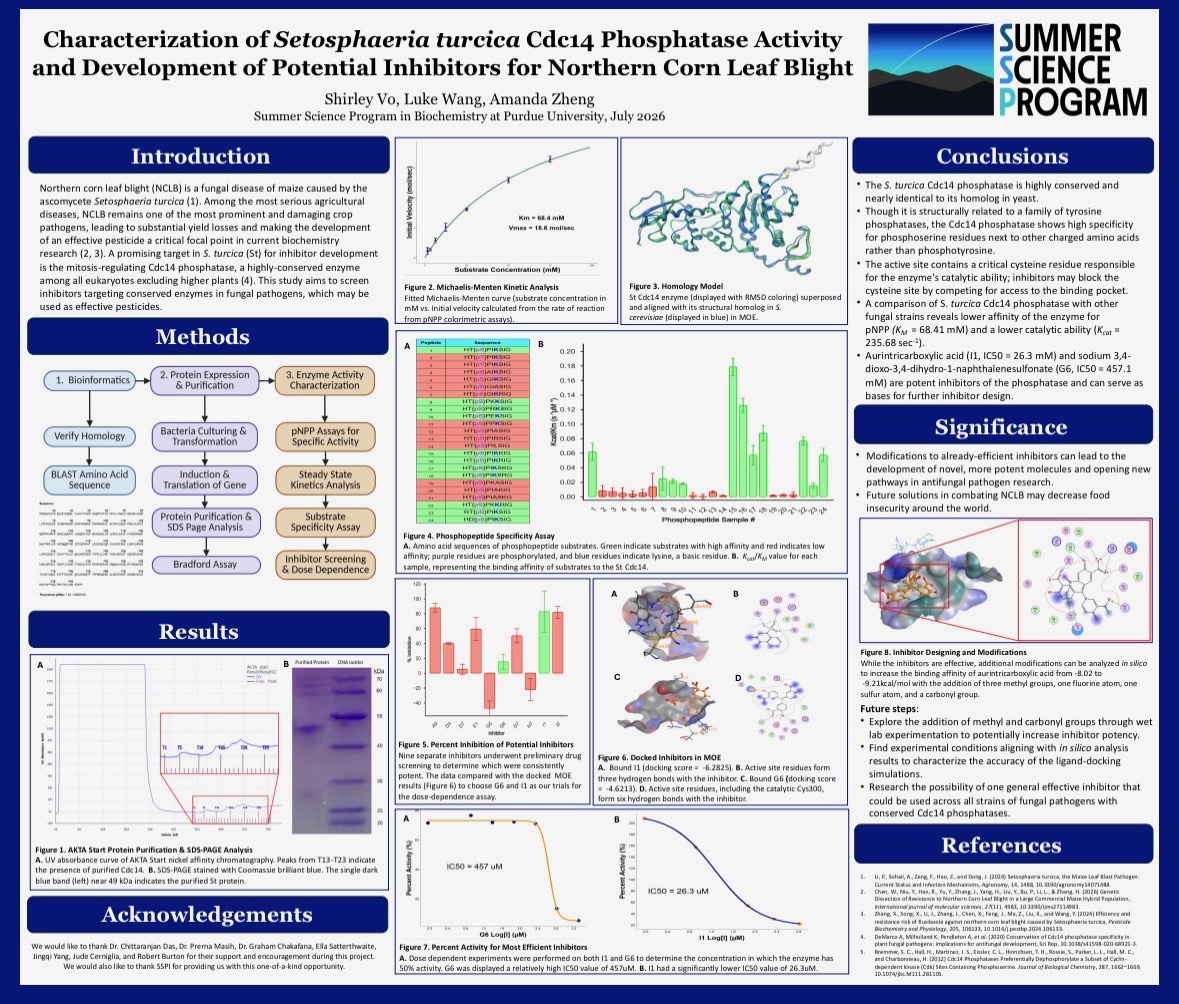
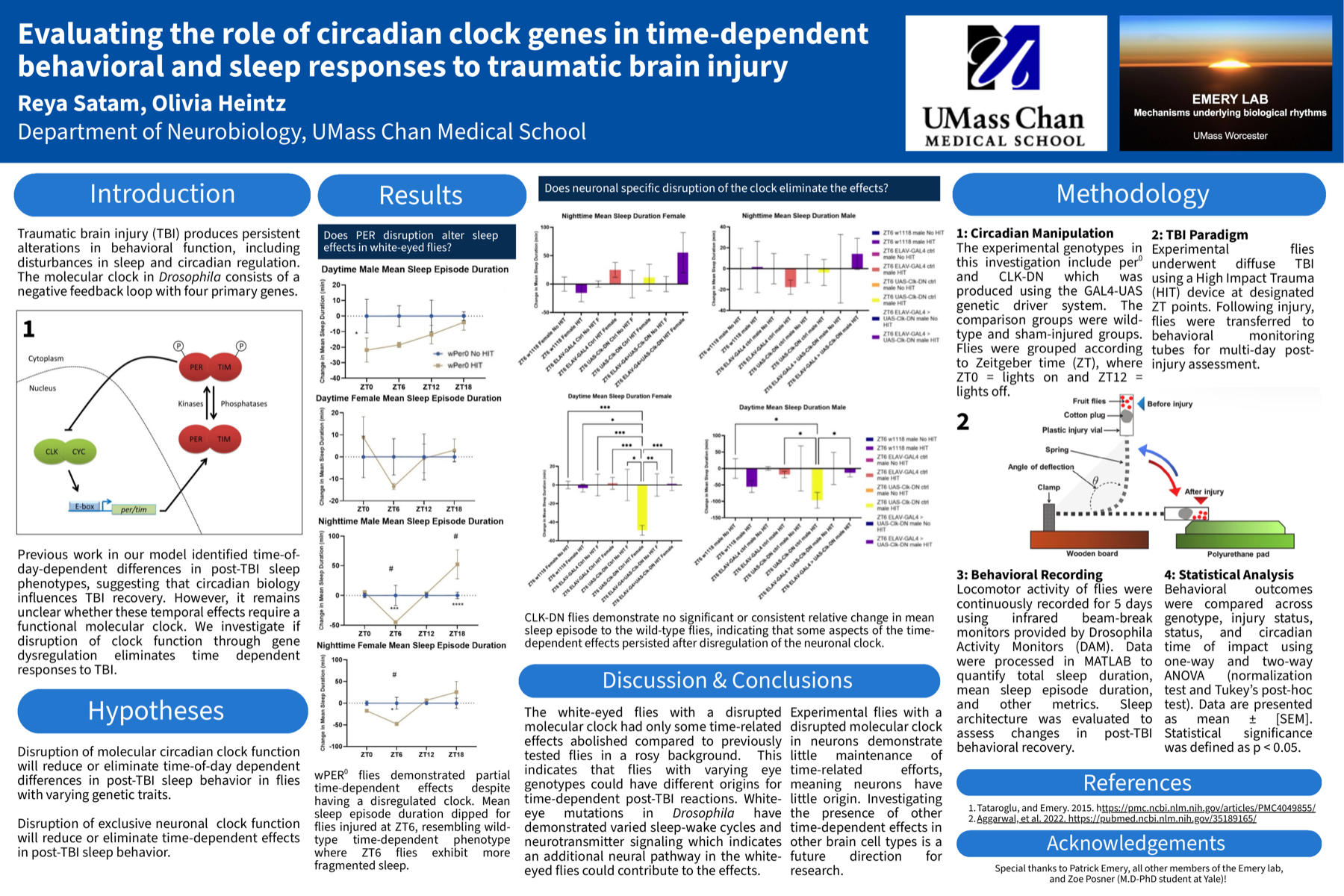
Flow & Structure
Readers should move top-to-bottom or left-to-right without confusion. Use clear section headers and a logical narrative arc.
Visualize Your Data
A clear figure beats a paragraph of text. Label all axes, include units, and write a descriptive caption. Avoid 3D charts.
The 90-Second Rule
A judge should understand your key finding within 90 seconds of looking at your poster. Cut text ruthlessly. Use bullet points over paragraphs.
Practice Your Pitch
Prepare a 2-minute verbal overview. Practice with a friend who knows nothing about your topic — if they understand it, you're ready.
Templates & Guides
Official EBS templates will be released when registration opens in Fall 2026. Register your interest to be notified first.
Poster Template
PowerPoint and Google Slides template with EBS formatting guidelines and section structure.
Available Fall 2026Abstract Template
Formatted abstract template with word count guidance, section prompts, and example abstract.
Available Fall 2026Research Planner
Week-by-week research timeline template to keep your project on track from September to May.
Available Fall 2026